An effective brand identity depends on a good logo. It is what the customers see and are happy to identify with immediately to show the values, character, and professionalism of your company, all in one look. Nowadays, a memorable and impressive logo is not a choice but the key to being noticed in a competitive market and gaining confidence among the audience.
The logo design software has transformed the way businesses design their brands by eliminating the need for a professional because there is no draft. Such tools have turned what could only be complex design agencies or years of graphic design knowledge into a simple creative process. Redesigned logo design programs have made it so that entrepreneurs and small business owners, even hardcore designers, should be able to make professional-looking logos quickly and inexpensively by using intuitive design programs with great functionality.
In this ultimate guide, you will read about the entire range of logo design solutions you can find in 2026, and it all starts with free software capable of perfectly fitting those with minimal design budgets and goes all the way to professional software utilized by design agencies across the globe. No matter whether you are a complete novice embarking on your first adventures in the world of logo design or a more serious practitioner or health expert in need of more advanced features, this list will contain entries to suit each expertise and budget, as well as particular creative needs.
Key Features to Look For in Logo Design Software
In choosing the logo design software, there are some features that are of utmost importance and can either guarantee you a frustrating experience or a creative task that can reward you with superb results.
Customization and design flexibility form the foundation of any quality logo design tool. The program must provide a high degree of manipulation of the shapes, colors, typography, and layouts. Find templates that can be altered drastically or that can be designed a-b-c, so your logo is not generic, having that type of look.
Template variety and the icon library can significantly accelerate your design process. An extensive set of professionally designed templates in a variety of industries is an excellent placeholder, and with substantial icon libraries, a lot of varied elements are provided to add to your designs. Good software will have active libraries that are well updated and keep up with the latest designs.
Vector export and scalability are non-negotiable features for professional logo use. Your logo should also be of crisp quality, both when placed on a business card and on a billboard. Exporting to a file format such as SVG, EPS, or PDF will give you the confidence that your logo will look just as sharp and clean, no matter where it is used, without being pixelated at all.
AI-powered design assistance has become more advanced, and it provides smart recommendations of color schemes, layouts, and design elements depending on your industry and preferences. These attributes are capable of igniting creativity and assisting users who may not be keen on design basics in coming up with smooth, professional outputs.
Ease of use and the learning curve significantly impact your productivity and satisfaction with the software. The intuitive drag-and-drop interface and easy navigation and help through tutorials allow for faster mastering of it. Nevertheless, take care that simplified interfaces do not compromise good features that you may want as you become more capable.
Collaboration and cloud storage options have become essential in today’s remote work environment. Reviewing, commenting, and editing features enable the team members to make the approval process faster. Cloud storage will make your designs accessible globally and automatically save them.
Pricing and value for money are important considerations to weigh your budget limitations against the functions that you really require. Most good free and inexpensive software has all the capabilities that are needed to complete the majority of logo design applications, but still, better capabilities can be found in the premium software.
Read More: Top Finance Companies in Hyderabad
Top 10 Logo Design Software
1. Adobe Illustrator
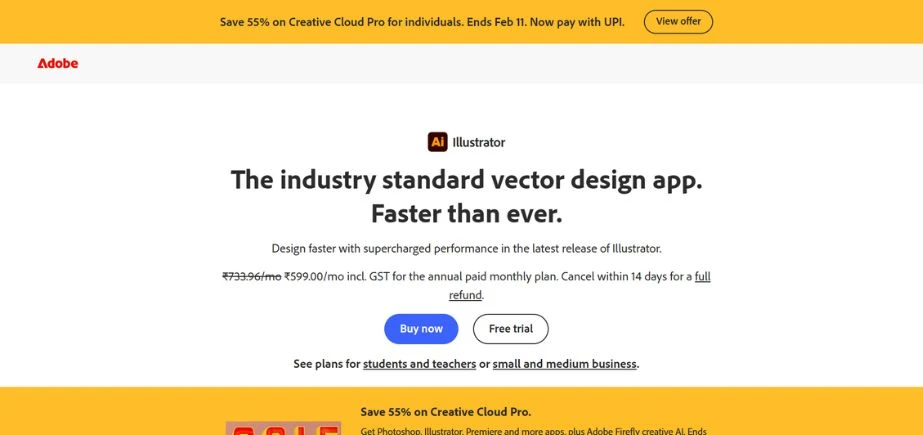
The best software package when it comes to logo design is Adobe Illustrator, which is the leader in the industry of editing vector graphics. It is highly accurate and scalable and has advanced functions to design complex and high-resolution logos. Choices: designers are able to work with custom shapes, typography, gradients, and so on. It works well with Adobe Creative Cloud, which is an all-time favorite among agencies and freelancers. It is very powerful and very flexible, and although it has a learning curve, it is worth learning should you want absolute control over your creativity.
Key Features:
- Advanced vector drawing tools with bezier curve precision
- Extensive typography controls with custom font manipulation
- Professional color management with Pantone color matching
- Integration with Creative Cloud ecosystem for seamless workflow
- Advanced export options supporting all professional formats
Pros:
- Unmatched professional capabilities and industry acceptance
- Continuous updates with cutting-edge features and improvements
Cons:
- Steep learning curve requiring significant time investment
- Subscription-based pricing model that can be expensive for occasional users
Ideal User Type:
Professional designers, design agencies, and businesses requiring the highest quality and most versatile logo design capabilities.
Website:
adobe.com/products/illustrator
2. Canva
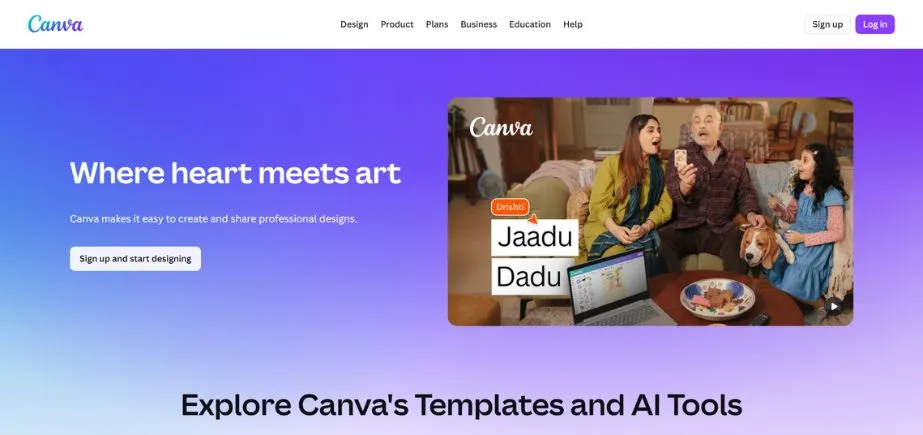
Beginners and small enterprises interested in designing logos quickly can use Canva because it is a simple graphic design app. It provides us with a drag-and-drop interface and thousands of logo templates that can be customized, and it provides us with a number of icons and fonts. It lacks features to elaborate on editing vector graphics, but it is perfect for basic branding work. Canva functions online, has both free and paid versions, and allows working with teams, which makes it one of the simplest DIY design tools to use.
Key Features:
- Over 250,000 templates with frequent additions and updates
- Drag-and-drop interface requiring no technical design knowledge
- Brand kit functionality for maintaining consistent visual identity
- Real-time collaboration features for team projects
- Mobile app availability for designing on the go
Pros:
- Extremely user-friendly interface that beginners can master quickly
- Affordable pricing with a robust free tier offering substantial functionality
Cons:
- Limited customization options compared to professional design software
- Template-based approach may result in less unique designs
Ideal User Type:
Small business owners, entrepreneurs, social media managers, and anyone needing quick, attractive logos without design expertise.
Website:
canva.com
3. Looka
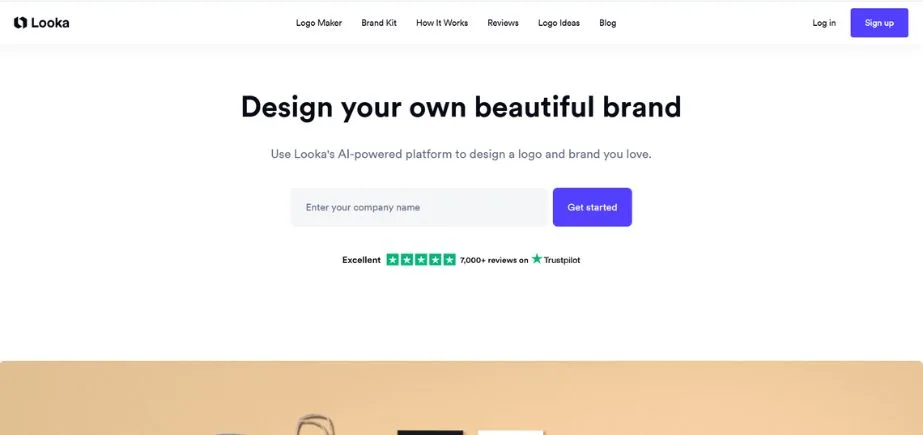
Looka employs AI to create a tailor-made logo relying on the requests about your brand and style. It is geared towards making inexpensive yet time-saving logo creation without design knowledge. Customers give several responses to some branding questions, and Looka provides them with dozens of variants of logos to adopt. It also provides a complete branding package, with social media and business cards. Although it does not offer the full flexibility of customizability, Looka is an excellent choice for a startup and an entrepreneur who requires quick branding services.
Key Features:
- AI-driven logo generation based on style preferences and industry
- Instant variations and alternatives for every generated design
- Complete brand kit including business cards and social media assets
- High-resolution files in multiple formats for all applications
- Trademark search functionality to avoid potential conflicts
Pros:
- Rapid logo generation with professional results in minutes
- Comprehensive brand package extending beyond just logo design
Cons:
- AI-generated designs may lack the uniqueness of custom-created logos
- Limited manual editing options for fine-tuning generated designs
Ideal User Type:
Startups and small businesses needing fast, professional branding solutions without extensive design involvement.
Website:
looka.com
4. CorelDRAW
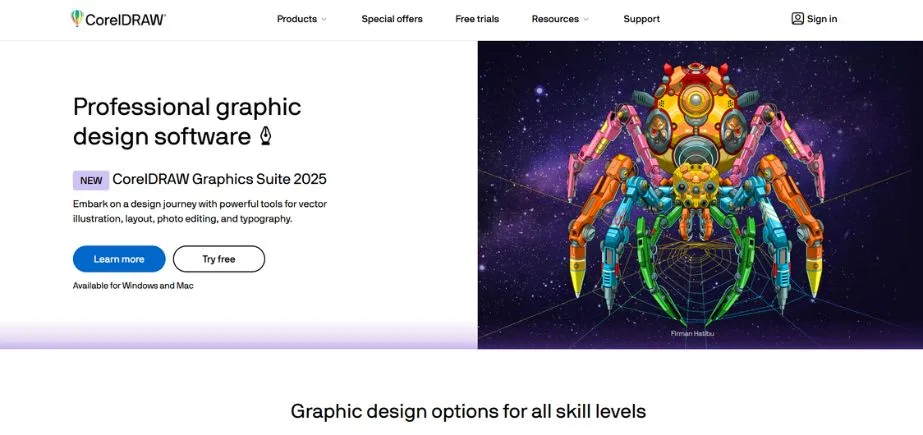
CorelDRAW represents very advanced vector graphics software with which skilled professionals work to create logos and complicated designs. Being characterized by a user-friendly interface and powerful design instruments, it allows functioning with extended features such as color control, typography management, and controlled layout processing. It is perfect for those designers who desire flexibility that does not depend on the use of Adobe. CorelDRAW works on both Windows and Mac and can be preferred in the print, apparel, and signage industries because it is more accurate in all fields of design.
Key Features:
- Professional vector illustration tools with precise control
- Advanced typography features including custom font creation
- Comprehensive color management and color palette tools
- Web graphics optimization and multi-format export capabilities
- Integration with Corel’s suite of creative applications
Pros:
- One-time purchase option avoiding ongoing subscription costs
- Excellent performance and stability even with complex designs
Cons:
- Primarily Windows-focused with limited Mac compatibility
- Smaller user community compared to Adobe products
Ideal User Type:
Professional designers preferring one-time purchases, Windows users, and those working on complex, detailed logo projects.
Website:
coreldraw.com
5. Tailor Brands
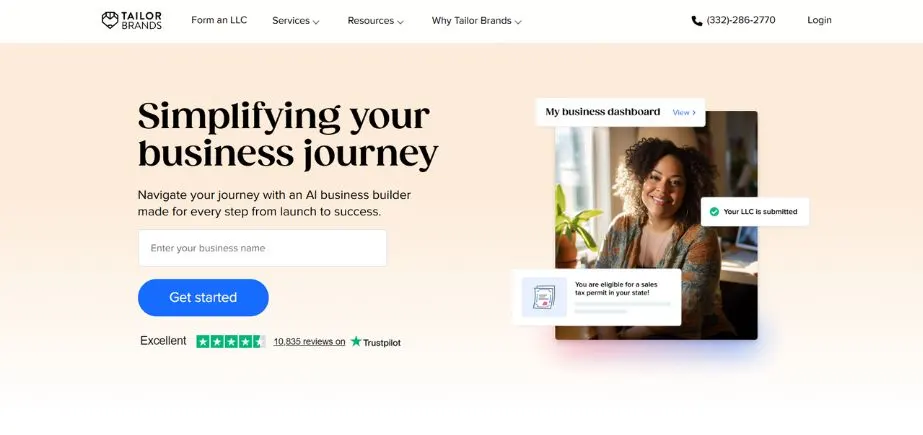
Tailor Brands is a machine-based tool that helps make logos for non-designers. The tool creates professional logos automatically by typing your business name and preferences about styles. It even offers a full brand toolkit, including business cards, social posts, and website builders. Entrepreneurs and small business owners who want a swift, unified branding option are better off using it. Tailor Brands provides a more efficient option to start working on visual identity, even though the range of customization is rather limited.
Key Features:
- AI logo generator creating designs based on business information
- Comprehensive brand guidelines automatically generated for consistency
- Social media asset creation coordinated with logo design
- Business card and marketing material templates matching your brand
- Brand monitoring and trademark services for protection
Pros:
- Complete branding ecosystem beyond just logo creation
- AI-generated brand guidelines ensure professional consistency across materials
Cons:
- AI-generated designs may feel generic or similar to other users’ logos
- Limited manual control over specific design elements and modifications
Ideal User Type:
New businesses requiring complete brand identity packages and ongoing brand management support.
Website:
tailorbrands.com
6. LogoMaker
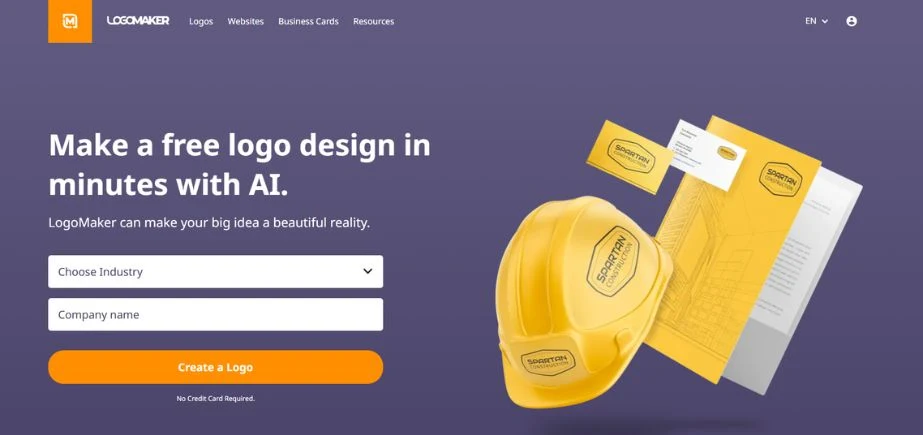
LogoMaker is a web design application best suited to creating logos in a hurry. It has more than 10,000 templates, and the interface is easy to use, which makes it suitable for those who have little or no design knowledge. A logo will be ready in several minutes, and you can download it instantly, which makes it ideal when you need a logo for a side project or small business. Although it does not provide the level of customization of professional software, it is relatively fast and convenient, which makes it an excellent tool when a logo has to be created quickly.
Key Features:
- Browser-based operation requiring no software downloads or installation
- Thousands of professionally designed templates across all industries
- Simple drag-and-drop editing with intuitive controls
- Multiple file format exports including vector and raster options
- Affordable pricing with transparent, one-time payment options
Pros:
- Immediate access through any web browser without setup requirements
- Simple, streamlined process perfect for non-designers and quick projects
Cons:
- Limited advanced editing capabilities compared to desktop software
- Fewer customization options may restrict creative possibilities
Ideal User Type:
Small business owners, freelancers, and anyone needing a simple logo quickly without complex requirements.
Website:
logomaker.com
Explore More: Best Biggest Companies in India
7. DesignEvo
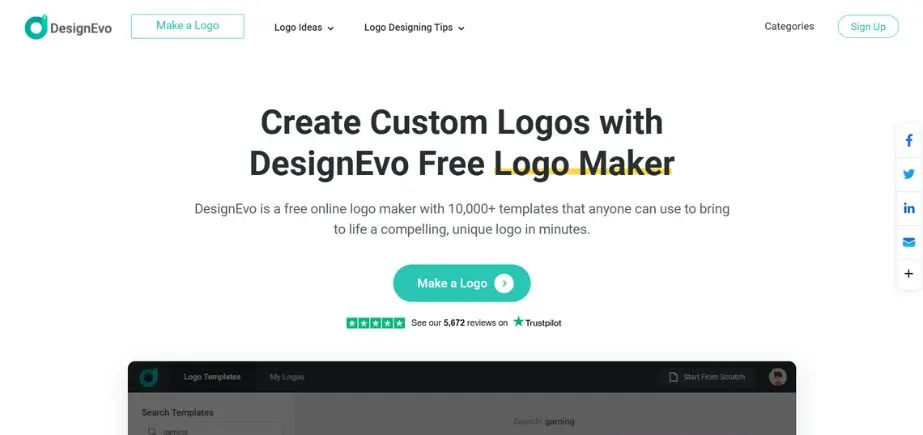
DesignEvo is an online logo design tool with more than 10,000 ready-made templates, an extensive font, icon, and shape collection. It is perfect when you do not need to have any software installed to make great logos as a novice. The users can edit logos using the browser and are able to download them in various formats. DesignEvo offers a mix between affordability and capacity, as there are free and cheap versions of premium plans. It’s a good fit with small businesses and startups as well as personal branding.
Key Features:
- Over 10,000 professionally designed templates covering numerous industries
- Cloud-based platform enabling access from any device or location
- Extensive icon library with millions of high-quality graphics
- Multiple export formats supporting both print and digital applications
- Revision history allowing you to revert to previous design versions
Pros:
- Massive template selection ensuring options for virtually any business type
- Cloud accessibility enables design work from anywhere with internet access
Cons:
- Template-heavy approach may limit truly original design creation
- Free version includes watermarks that require paid removal
Ideal User Type:
Business owners seeking extensive template options and the convenience of cloud-based design tools.
Website:
designevo.com
8. Hatchful by Shopify
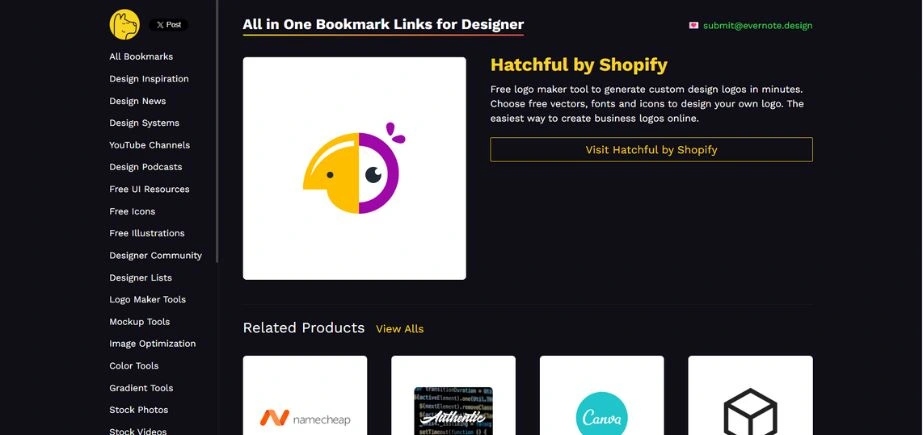
Hatchful is another logo maker that was created for free by Shopify, and it targets entrepreneurs and e-commerce entrepreneurs in particular. It also takes the user through it in steps by enquiring about business type and the style preference, and gives the user logo options depending on the response. It provides simple personalization and autogeneration of social media brand assets. Hatchful lacks the same depth as design software, but is perfect for users who only have a limited budget and need a simple and relatively professional-looking logo.
Key Features:
- Completely free logo creation with no hidden costs or watermarks
- Industry-specific templates optimized for various business sectors
- Social media optimization ensuring logos work across all platforms
- Multiple format downloads including high-resolution options
- Integration with Shopify’s e-commerce ecosystem for seamless setup
Pros:
- Entirely free service with professional-quality results and no limitations
- Designed specifically for entrepreneurs with business-focused templates and guidance
Cons:
- Limited customization options may not satisfy complex design requirements
- Fewer templates compared to premium services, potentially limiting variety
Ideal User Type:
Entrepreneurs, e-commerce businesses, and startups operating on minimal budgets but requiring professional branding.
Website:
hatchful.shopify.com
9. Gravit Designer
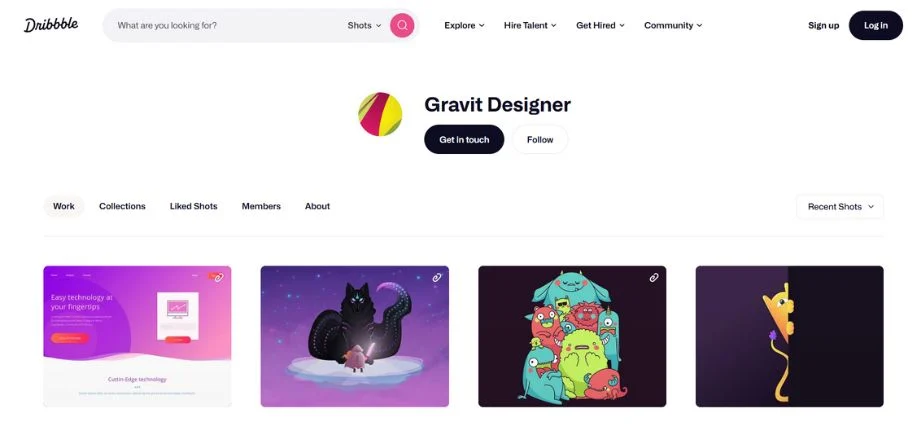
Gravit Designer is a free, flexible, and cross-platform design app that is both web and desktop-based. It provides accurate design tools suitable for use as logos, illustrations, and UI design. Gravit Designer is easy to learn, has functionality to suit pros, and offers cloud sync. It allows many formats and adjacent features such as layer styles, symbols, and text. Not as powerful as Illustrator, but still a good free alternative that allows designing high-quality vectors to be turned into logo art.
Key Features:
- Professional vector design tools comparable to premium software
- Cross-platform compatibility including Windows, Mac, Linux, and web browsers
- Cloud synchronization ensuring designs are accessible from any device
- Advanced typography controls and text manipulation features
- Collaborative features enabling team-based design projects
Pros:
- Professional-grade capabilities available completely free with extensive functionality
- Cross-platform availability ensures access regardless of operating system or device
Cons:
- Steeper learning curve than template-based alternatives, requiring design knowledge
- Fewer templates and pre-made assets compared to specialized logo tools
Ideal User Type:
Designers seeking free professional tools, users requiring cross-platform compatibility, and those preferring custom design over templates.
Website:
gravit.io
10. Figma
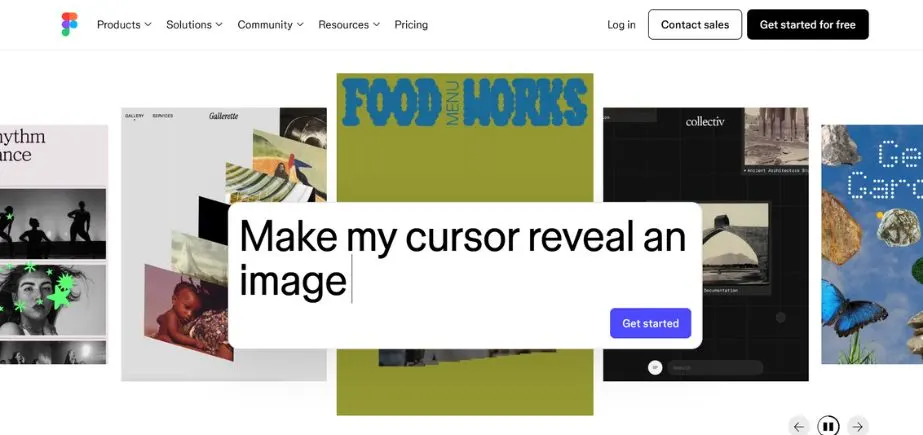
Figma is a team-based design tool that can be utilized in the design of interfaces, UI/UX, and logos. Its browser interface, live teamwork, and a set of vector editing instruments make this one of the most popular solutions among design teams. Even though it is not targeted exactly at logos, Figma provides an entire package to create scalable, pixel-perfect brand assets. Its plugin ecosystem and cloud integration enhance usability. Figma can be considered the best solution to build product teams, especially in the modern era, as well as for designers who value collaboration and version tracking along with an even level of flexibility across platforms.
Key Features:
- Real-time collaborative editing enabling simultaneous team work
- Powerful vector design tools with precision control and professional capabilities
- Cloud-based platform accessible from any device with automatic saving
- Extensive plugin ecosystem extending functionality for specialized needs
- Version control and design history for tracking changes and collaboration
Pros:
- Unmatched collaboration features perfect for team-based projects and client feedback
- Professional design capabilities rivaling desktop software while remaining web-based
Cons:
- Fewer logo-specific templates compared to specialized logo design tools
- Requires internet connection for full functionality, limiting offline work
Ideal User Type:
Design teams, agencies working with clients, and collaborative projects requiring multiple stakeholders’ input and approval.
Website:
figma.com
Comparison Table Between Different Logo Design Software
| Software | Pricing | Platform Support | Key Strength | Ideal User |
| Adobe Illustrator | $22.99/month | Windows, Mac | Professional precision | Professional designers |
| Canva | Free/$14.99/month | Web, iOS, Android | Ease of use | Beginners, small businesses |
| Looka | $20-$65 one-time | Web | AI-powered generation | Quick branding needs |
| CorelDRAW | $249 one-time | Windows primarily | Professional tools | Windows-based professionals |
| Tailor Brands | $9.99-$49.99/month | Web | Complete brand toolkit | New businesses |
| LogoMaker | $39.99 one-time | Web | Simple, fast creation | Quick, simple projects |
| DesignEvo | Free/$49.99 one-time | Web | Extensive templates | Template-focused users |
| Hatchful | Free | Web | E-commerce focus | Entrepreneurs, startups |
| Gravit Designer | Free/$99/year | Cross-platform | Professional free tools | Budget-conscious designers |
| Figma | Free/$15/month | Web, desktop apps | Team collaboration | Collaborative projects |
How to Choose the Right Logo Design Software
In choosing the most appropriate logo design software, one will need to be frank and clear in evaluating one’s own interests, abilities, and limitations. Being aware of these factors will take you closer to the tool that can achieve your best aim.
Define your design needs and skill level by remembering to be straightforward in analyzing your present design experience and the difficulty level of your logo needs. And even when you are a beginner in design and want to get a simple, clean logo in a short time, user-friendly systems such as Canva or Hatchful will be helpful to you. But, in case you need complicated custom graphics or possess special technical needs, commercial programs such as Adobe Illustrator or CorelDRAW are needed despite their steeper learning curves.
Consider your budget and branding scope carefully, as this significantly impacts your software choice. Periodic logo design would be suitable where one-time fees may be cheaper than subscription services when providing branding services periodically. Consider that you may only require a logo or a full brand package comprising business cards, letterheads, and social media assets. Other tools, such as Tailor Brands, will provide more branding solutions altogether, which could be of greater value than buying each component separately.
Evaluate export quality and platform compatibility to ensure your chosen software meets your technical requirements. The quality and design of raster formats may not be required since the logos needed may only be of the social media profile, although the vectors would adapt perfectly to the printing side of the application. Looking at whether you need to work on different devices or platforms and whether you need to synchronize essential data on the cloud is a consideration when it comes to your work.
Conclusion
The future of the logo design software market in 2026 promises unparalleled versatility and affordability so that anyone would be able to select only the tools fitting the specific needs, experience, and budget. Adobe Illustrator still remains a professional choice of people who need the highest control and precision, and Canva opens the world of design to new users because it can create something nice fast. Artificial intelligence-based services such as Looka offer the best of both worlds to individuals who do not want to be hands-on designers but expect professional results.
The user who is being frugal will find some gems, including free (and amazing) ones, as Hatchful or Gravit Designer shows. Collaborative teams can take advantage of any real-time editing features in Figma, whereas companies that require a full branded ecosystem can turn to such multidimensional offers as Tailor Brands.
The success tip is to use free trial periods and free plans, which are provided by the majority of platforms. This practical experience will tell you which interface is most intuitive to you, which options correspond with how you like to work, and which output comes out the way you see it in your mind. There is nothing wrong with trying various tools, as in specializations; various software can be used by various professionals to carry out different types of projects.
Bear in mind that the most optimal logo design software is a tool that allows you to generate designs that uniquely brand your company on the one hand and safely incorporate into your routine on the other. Focus on the tools that have the appropriate level of flexibility, ease of use, and functionalities in accordance with your brand. Regardless of the level of pre-made doneness of the template-based solution or the working out of a professional platform, the essential thing is to produce a logo that can convey the identity of the brand in the most effective way and be recognized by your target audience.
Frequently Asked Questions
Is it possible to design a quality logo with free programs?
Absolutely. There is a wide range of free facilities, such as Hatchful, Gravit Designer, and a free tier to use Canva to create a professional-like logo. It is more about the grasp of such principles of design as color theory, typography, and composition than it is about using sophisticated programs. There are examples of very successful enterprises that used free tools to create the brand image of their business, and that shows that creativity and knowledge of your brand are more important than the price of your computer program.
What is the difference between raster and vector logos? What should I use?
The vector logos are designed by mathematical paths, and thus they can be scaled to such an extent in any size without losing resolution; hence, they can be used on business cards, newspaper adverts, billboards, and others. The raster logos are composed of pixels, and they are fixed in size; as such, they will become blurred when magnified to a large extent. Make sure you base your master logo file in the vector format (such as SVG, EPS, or PDF), but you can also make versions in raster format (PNG, JPG) when you need it for special purposes, such as web or social networks.
How much money is needed to be spent on logo designing programs?
Prices differ radically depending on your requirements. There are free programs such as Hatchful and Canva Basic level, which are free of cost, and one-time payments such as LogoMaker, which can be between $40 and $250. Subscriptions can amount to between 10 and 25 dollars per month. Semi-professional software such as Adobe Illustrator costs about $23 a month. Use it as often as possible: occasional users are better off buying or using free tools, whereas frequent users would be saving money with subscriptions.
Do I require any designing background to design a good logo?
A: Design experience is not needed but rather a plus when it comes to making effective logos. Canva and DesignEvo use templates; Looka will create something based on AI assistance. Care about knowing your brand culture, your customer body, and the standard in the industry. Take note of the study logos you like and see why they are so successful, and most importantly, you should not fear trying and trying until you get a design that appears good to you and your brand.
Is it possible to patent a logo made with the help of template-based software?
Yes, as a rule, a logo composed of templates can be trademarked as long as it is unique enough and complies with a trademark set of criteria. But the greater the changes to the templates, the more successful your trademark will be registered. Other websites such as Looka offer trademark search facilities as a means of preventing conflict. In the instances where your logo is at the center of a major business undertaking, you may want to consider discussing this with a trademark attorney who can give you advice regarding some aspects of distinctiveness and the possibility of registration.
Continue Exploring: Best App Development Companies in Hyderabad